


Inside the spectacular ‘Cathedral of Sewage’, London’s most surprising day out
Inside the spectacular ‘Cathedral of Sewage’, London’s most surprising day out

Rob CrossanSat, October 3, 2026 at 10:00 AM UTC
0
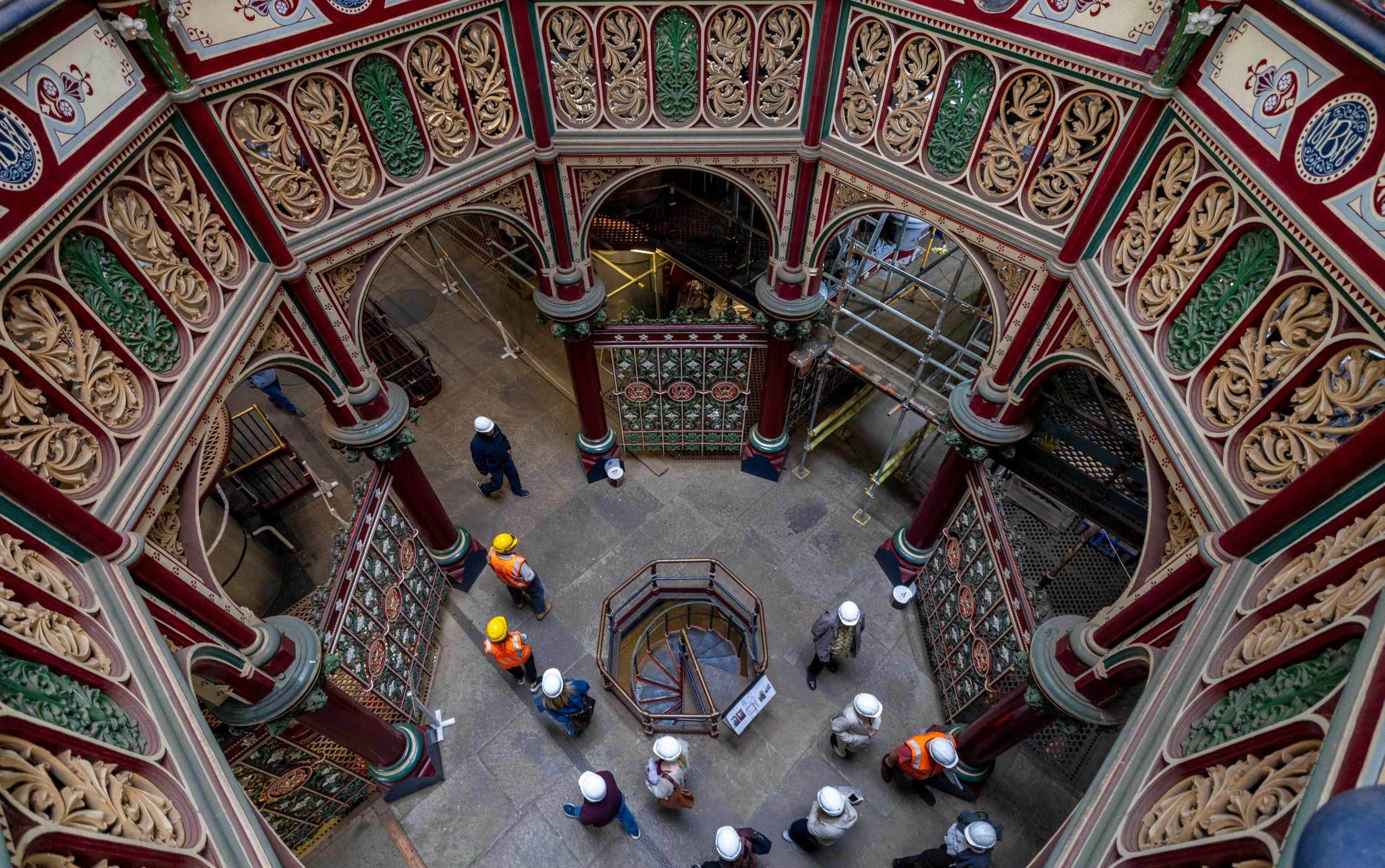
Crossness Pumping Station boasts an octagonal arcade of cast iron in vivid reds, greens and creams’ - JEFF GILBERT
The smell hits me like a concrete nappy to the septum. But, given my location, complaint seems churlish. Whining about noxious odours at a sewage works is like moaning about feeling thirsty in the Sahara.
I’m in Thamesmead, one of London’s more unloved outer districts. Known for its starring role in one of the most dystopian and depressing British films of all time, A Clockwork Orange, it’s not a place where aesthetic beauty is immediately apparent to the neophyte visitor.
The journey past the security barriers and into Thames Water’s Crossness site doesn’t alleviate my torpor on a damp autumn morning. This colossal expanse of reservoirs, storage facilities and treatment works wasn’t intended to look pretty. But the barren emptiness of the place seems to reflect the misery that comes with being either an employee (or customer) of Thames Water these days.
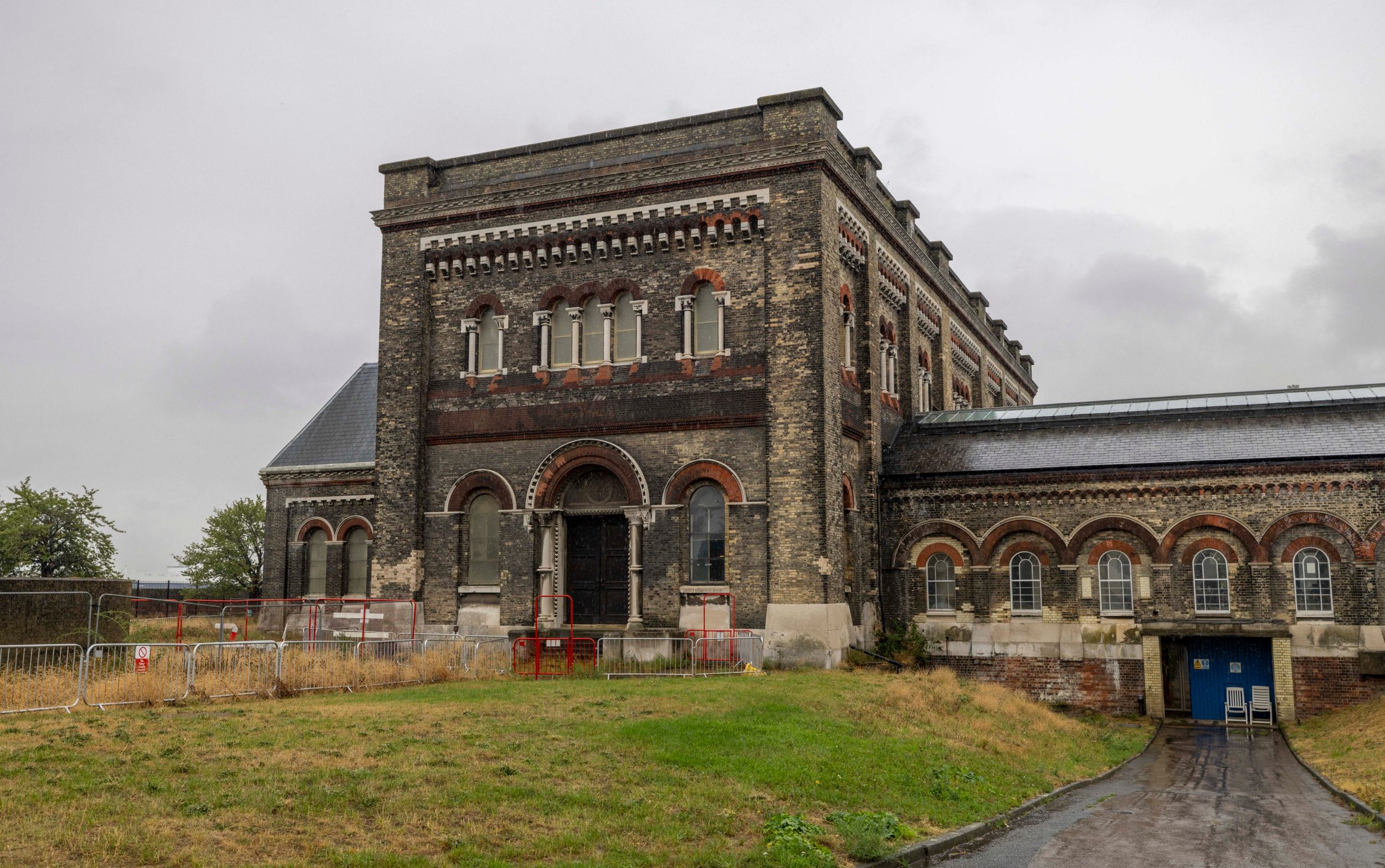
The site’s original pumping station is Grade I-listed, and was built in the mid 19th century to deal with the problem of sewage running into the Thames - Jeff Gilbert for The Telegraph
Britain’s largest water company has spent the past few years lurching between pollution scandals and financial crises, with debts of around £20bn and the possibility of temporary nationalisation still hanging over it. Last year Ofwat imposed penalties totalling £122.7m, including its largest-ever fine for wastewater failures.
The whiff of ordure stiffens as I venture further into the complex. Finally, I pull up outside the most incongruous and unlikely structure imaginable in this context, a physical reminder of an age when the capital, just as now, had a catastrophic problem with human waste, but solved it with such élan that it built a palace to house the machinery.
Crossness Pumping Station, the site’s original pumping station, is Grade I-listed, but that description hardly prepares you for it. The volunteers who have restored it call it the “Cathedral in the Marsh”, for it is a gargantuan yellow-brick Romanesque overlooking the Thames. It looks as though some eccentric Victorian potentate decided on a whim to erect a country house, in honour of excrement.
The Great Stink
This architectural wonder owes its existence to the summer of 1858. At the time, sewers emptied directly into the Thames, unloading an estimated 250 tons of faeces per day. So when prolonged heat that year lowered the level of the Thames, it left banks of human waste festering on its banks. The stench was so bad that MPs at the newly constructed Houses of Parliament, overlooking the river, resorted to hanging curtains soaked in chloride of lime over the windows.
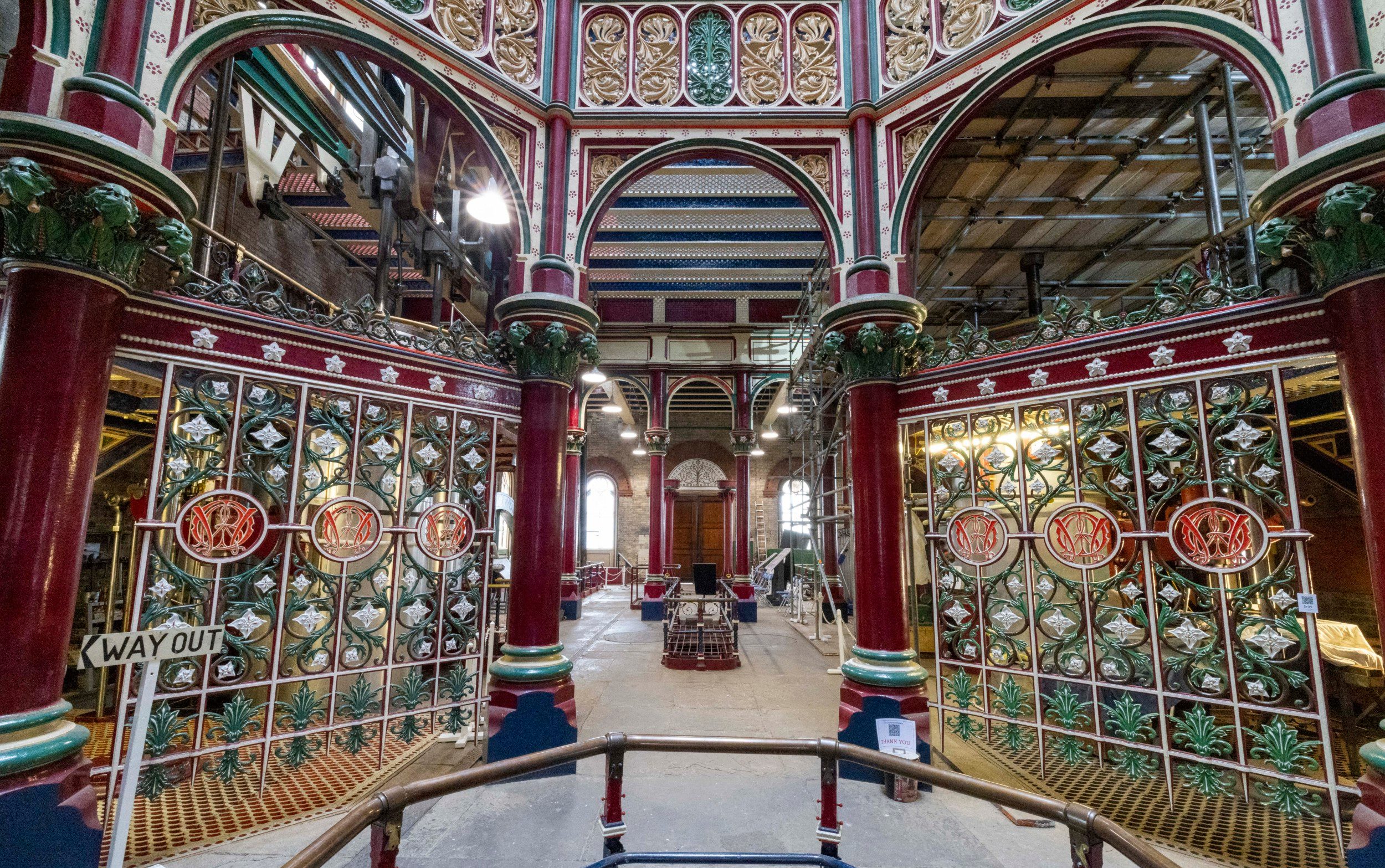
Gloss paint has been used to restore the magnificently ornate interior - Jeff Gilbert for The Telegraph
Meanwhile, cholera was killing tens of thousands of Londoners, particularly in poorer neighbourhoods, with some experts insisting that the problem was miasmic. Whether it was bad air, or bad water, something had to be done to combat the Great Stink and the man handed the problem was Joseph Bazalgette, chief engineer of the Metropolitan Board of Works.
His answer was heroic in scale: around 1,100 miles of street sewers feeding into 82 miles of intercepting sewers, carrying London’s waste eastwards under gravity towards pumping stations at Abbey Mills and Crossness.
His engineering removed contaminated waste from the city and helped end the cholera epidemics. More remarkable still, much of his network remains the backbone of London’s sewer system today.
Inside the former boiler house at Crossness, now part café and part exhibition, the story is told through lavatories, sanitary paraphernalia and witness accounts of 1858. Then my guide Ian Burchell, a former police officer and one of the volunteers, leads me into the engine house.
Magnificence and mirth
If the exterior is handsome, this interior is rude magnificence itself. An octagonal arcade of cast iron rises through the building in vivid reds, greens and creams, threaded with arches, screens, spiral staircases and polished brass. It’s like the tipping point between industrial zeal and outright hubristic insanity.
Advertisement
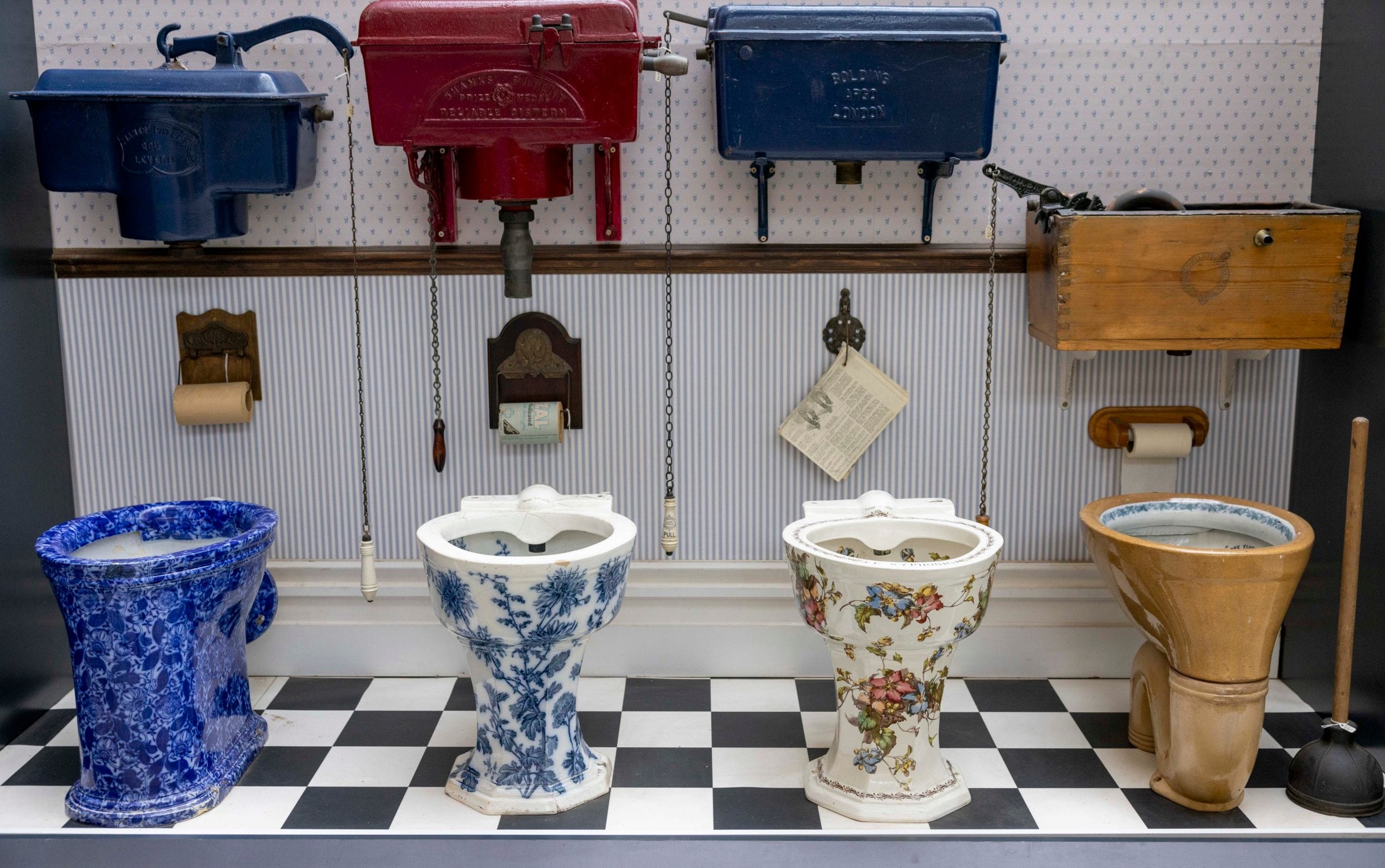
Inside the former boiler house, the story is told through lavatories and sanitary paraphernalia
“We’ve used gloss paint to restore it, which the Victorians never had,” admits Burchell. “But look closer and you’ll see what a fine sense of humour they had back then about sewage.”
He points out cast-iron figs and senna pods, both associated with laxative effects. Elsewhere are American dogwood and bramble, plants traditionally used for the diametric opposite malady.
Crossness opened on April 4 1865 in ridiculous splendour, with the Prince of Wales, archbishops, MPs and 500 guests arriving for speeches, tours and a five-course banquet. The four vast beam engines were given royal names: Victoria, Albert Edward, Alexandra and Prince Consort. But, as London grew, Bazalgette’s glorious creation slowly became outmoded.
“It was a bit of luck that it wasn’t bombed during the war,” Burchell tells me. “It would have done immense damage to London’s entire infrastructure. But there’s a school of thought which suggests the Germans were more interested in the Royal Arsenal in Woolwich nearby.”
Saved from the wrecking ball
The original steam engines were last used in 1953, after floods on Canvey Island, before this beautiful palace was mothballed then abandoned. Vandals did their best to wreck the place, the workers’ cottages were flattened (along with a community cricket ground) and demolition of the pumping station itself was discussed.

Crossness opened on April 4 1865 in ridiculous splendour, with the Prince of Wales, archbishops, MPs and 500 guests - Getty/Hulton Deutsch
It was only in 1987 that volunteers formed the Crossness Engines Trust and began the slow business of resurrection. Their triumph is the aforementioned Prince Consort, one of the four original rotative beam engines.
On steaming days, the engine’s 43ft beam begins to move, converting steam into the muscle once needed to lift sewage from low-level sewers roughly 30ft below the ground.
“There’s a story that young boys whose fathers worked at the factory were allowed in to sit on the engine like a giant see-saw,” says Burchell. “I can’t imagine how they would have managed to cling on though – this thing is incredibly oily.”
Originally, Prince Consort and its three siblings pumped sewage into a vast 27-million-gallon reservoir and held it there until the tide allowed it to be discharged downstream. It doesn’t sound ideal, but the subsequent idea wasn’t much better. Sludge vessels (nicknamed “Bovril boats”) took the muck out to sea in a process which, incredibly, lasted until 1998 when EU directives stipulated a more modern chemical process for treating sewage.
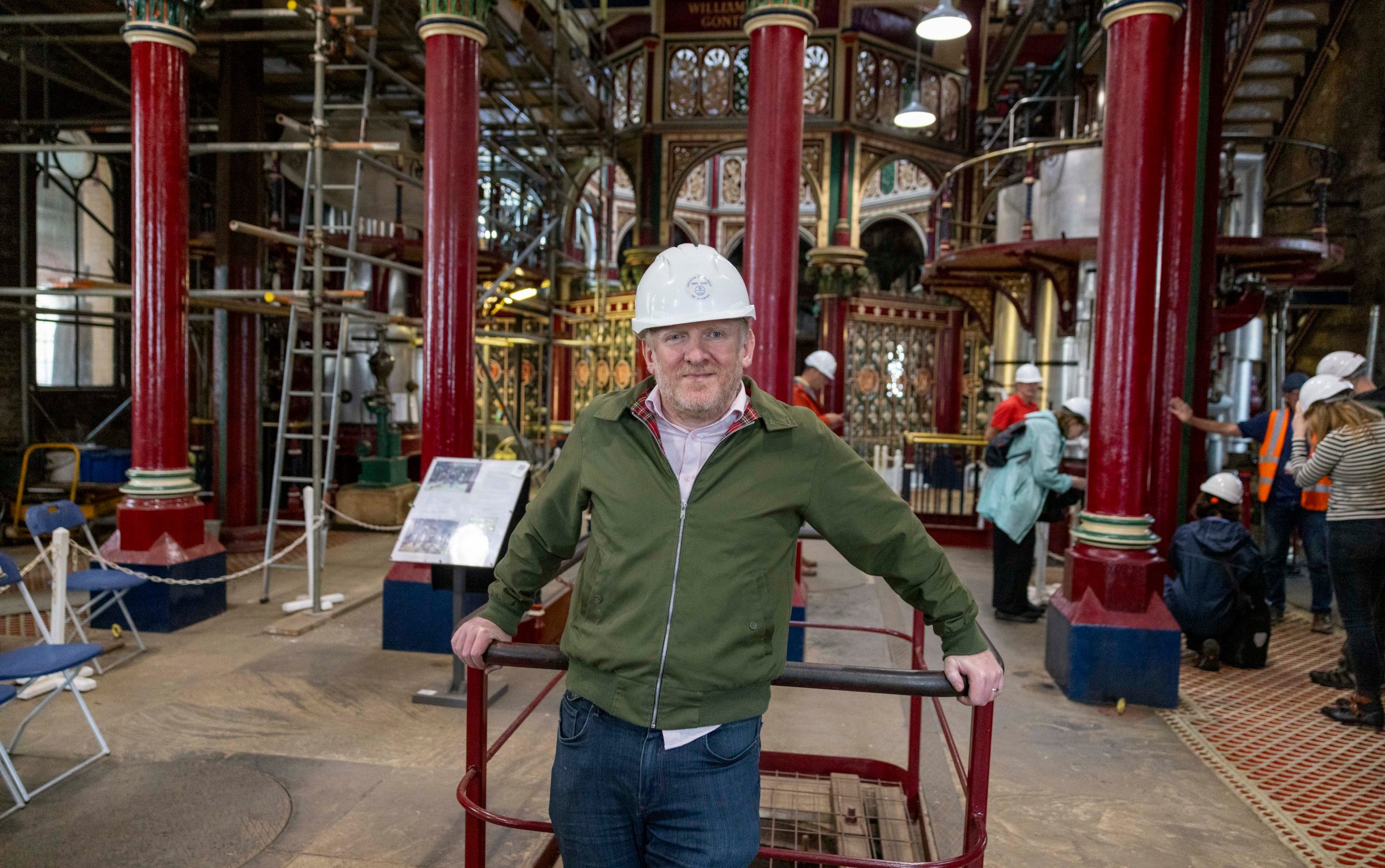
Rob Crossan inside Crossness Pumping Station, designed by Joseph Bazalgette - JEFF GILBERT
Now we have the Thames Tideway Tunnel, the 15-mile “super sewer” beneath London, fully operational since February last year. It hasn’t helped Thames Water’s image much, but it’s worth noting that it only exists because even Bazalgette’s generously planned system can’t indefinitely absorb the appetites of a city of nine million people, all desirous of showers, washing machines and wet wipes.
Before leaving, I linger beneath that bizarre octagonal arcade. The smell has not improved. Nor has the reputation of the company whose modern works surround this place. But Crossness, back in its Victorian pomp, was proof that a filthy urban problem could be confronted with engineering, ambition and a minor decorative fetish for figs.
For more details on open days and tours visit Crossness
Source: “AOL Entertainment”
