


The ‘parasitic’ AI firm waging war on the music industry
The ‘parasitic’ AI firm waging war on the music industry

James WarringtonSat, November 28, 2026 at 11:00 AM UTC
0

Artists and labels accuse Suno of using their songs without permission to train AI models - Getty Images/Anna Webber
For British clubbers, Movin’ to the Sun is a contender for song of the year.
The house anthem has spent 15 weeks at number one in the UK dance charts and racked up more than 250 million streams on Spotify.
Most fans won’t be aware, however, that the floor-filler was created by Imael Angel, a Hungarian songwriter and Reiki master, using artificial intelligence.
It is just one of the millions of AI-generated tracks – often low-quality “slop” – flooding streaming services.
Spotify says it has taken more than 50 million slop and spam tracks out of recommendations so far this year, in addition to 75 million removed from its platform altogether. But this has barely scratched the surface.
One company dominates this cottage industry of automated music: Suno, a Massachusetts-based AI firm that launched just three years ago.
The start-up now accounts for nearly 93pc of all AI tracks uploaded to streaming platforms, according to a recent report from the Sonic Intelligence Academy, an AI music consultancy. Movin’ to the Sun was originally created using Suno’s technology.
While clubbers may enjoy the music, major record labels are less keen. Universal and Sony are seeking billions of dollars in damages in two lawsuits claiming widespread copyright breaches. Suno is fighting the cases.
As the legal battle drags on, the music industry is suffering.
“This is bad for everyone,” says Jamie Njoku-Goodwin, the former chief executive of UK Music, a trade body, and one-time adviser to Rishi Sunak, the former prime minister.
“Fans lose out by paying for streaming services that are increasingly flooded with AI-generated slop they never asked for.
“And it’s a double whammy for artists, who are not only having their work taken but are now having to compete with a flood of AI slop that diverts royalties away from real musicians.”
Suno’s rise has been both rapid and controversial. Its AI software, which generates songs from simple prompts, was released publicly in December 2023. Three years later, it has more than two million subscribers paying up to £90 a month and is on track to reach $300m (£240m) in annual revenue.
In an open letter published in 2024, artists’ representatives launched the “Say No to Suno” campaign, accusing the company of a “brazen smash-and-grab” on human artists’ work.
Artists and labels accuse Suno of using their songs without permission to train AI models, riding roughshod over copyright rules. It mirrors an ongoing row between publishers and tech companies.
Compounding matters, is the fact that AI-generated music is uploaded to streaming services, crowding out the work of real artists.
Mr Njoku-Goodwin describes this as “music laundering”, a practice where tech firms “take creatives’ work without permission, run it through their AI models, and then sell the output back to the public as if it’s something fresh and new”.
While Tidal, the streaming service formerly owned by Jay-Z, said this week it was banning AI-generated music from its platform, reams of these tracks remain on streamers such as YouTube and Spotify.
In comments that have enraged performers, Mikey Shulman, the chief executive of Suno, claimed to be helping artists, saying in a podcast interview last year that it was “not really enjoyable to make music now”.

Mikey Shulman, chief executive of Suno, claimed it was ‘no longer enjoyable’ for artists to make music - The Boston Globe via Getty Images/Barry Chin
Ed Newton-Rex, a former AI executive turned campaigner for creatives’ rights, says it is “hard to think of anything worse for the future of music than Suno”.
“Suno is a content farm built on the exploitation of other people’s work,” he claims. “It built its business by copying millions of songs to feed its AI models, without permission or payment; its users churn out slop, flood the market, and take earnings from real musicians.”
Advertisement
Universal and Sony first filed a lawsuit against Suno alleging unlicensed training on copyrighted recordings in 2024. In September of this year, they followed up with a second suit, describing Suno’s latest AI model as “fruit of the same poisoned tree”.
The companies accuse Suno of “industrial-scale theft” and are seeking damages of up to $150,000 per song, putting the total potential payout at around $9bn.
Suno relies on a “fair use” defence under copyright law, arguing that its technology is designed to help users create original music, rather than reproducing existing work.
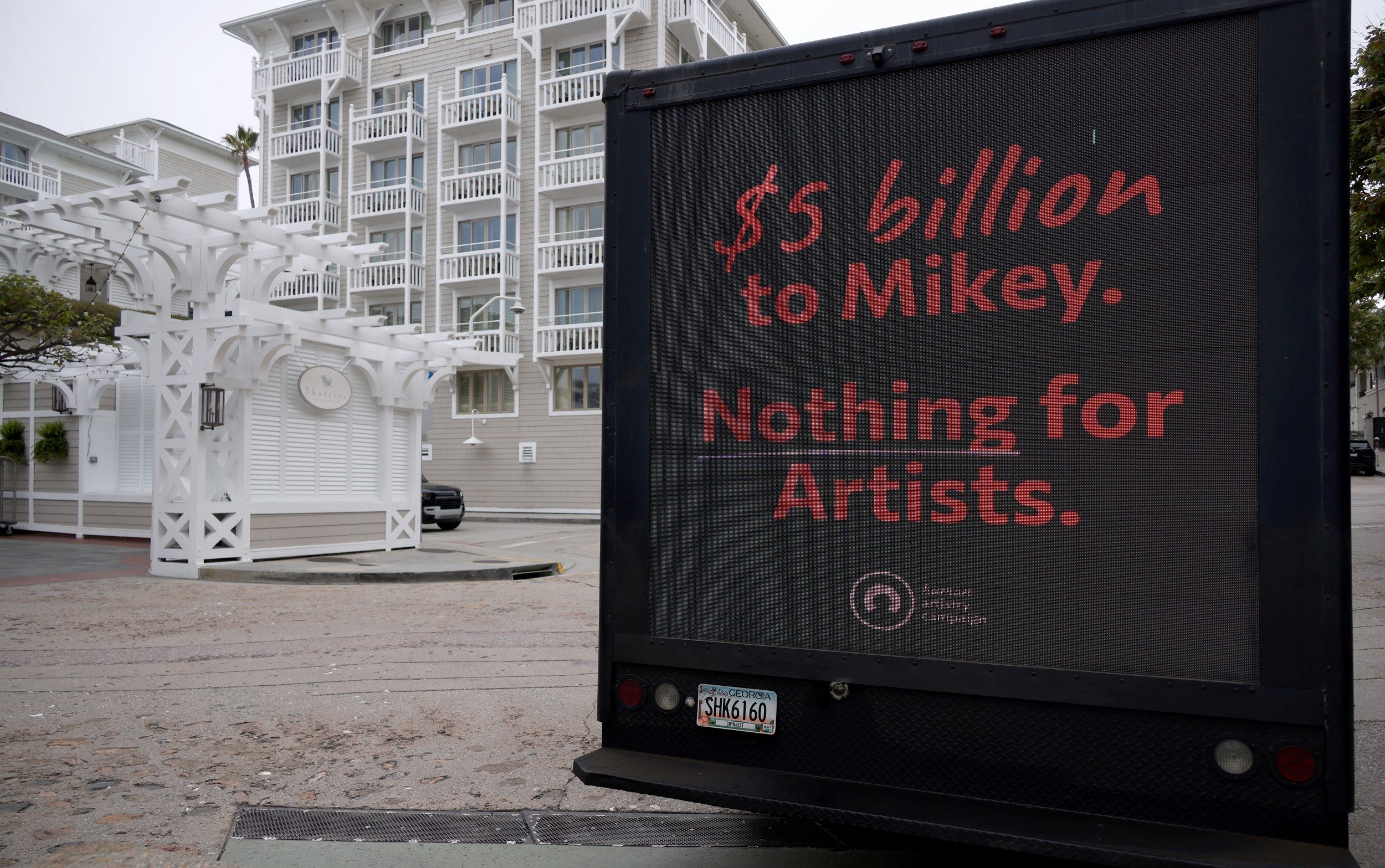
Sony and Universal have accused Suno of “industrial-scale theft” and are seeking damages of up to $150,000 per song - Getty Images/Anna Webber
In court filings, Suno admitted to ripping audio data from YouTube to train its models, but hit back at the labels, accusing them of having an “unlawful monopoly” over music.
While Universal and Sony have turned to the courts, Warner Music Group has taken a different tack. The New York-listed label giant last year settled its case against Suno and launched a joint venture with the AI firm.
Robert Kyncl, a former YouTube executive who now leads Warner Music, described last week the tie-up as a “watershed moment”, saying: “This is the first time that a generative AI company is paying out royalties to a music company.”
But other lawsuits are flooding in. Both Eminem’s music publisher and the owners of Elvis Presley’s rights are suing Suno for alleged copyright infringement. Suno denies the allegations.
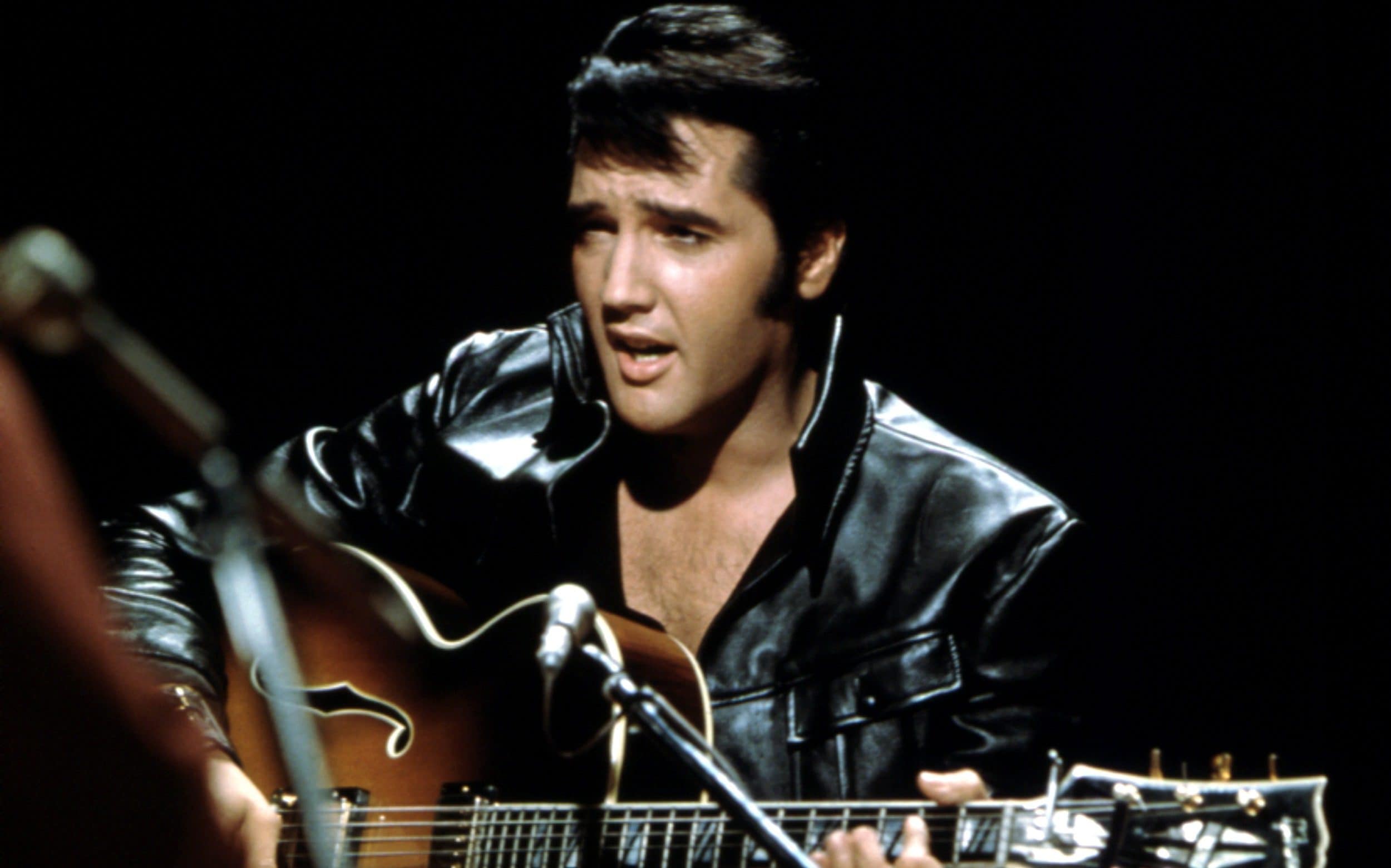
The owners of Elvis Presley’s rights are suing Suno for alleged copyright infringement. Suno denies the allegations - Getty Images/Michael Ochs Archives
In July, a German court ruled against Suno in a crucial case over copyright breaches, while the company is under investigation by Italian competition regulators into its terms of use.
All this controversy has not put off investors. Suno, which was founded by four tech entrepreneurs, raised $400m in fresh funding in June, giving it a valuation of $5.4bn.
Nvidia, the chip giant embroiled in a controversy over Chinese spying allegations, is among its investors. Other backers include San Francisco venture capital firms Bond Capital, Quiet Capital and Menlo Ventures.
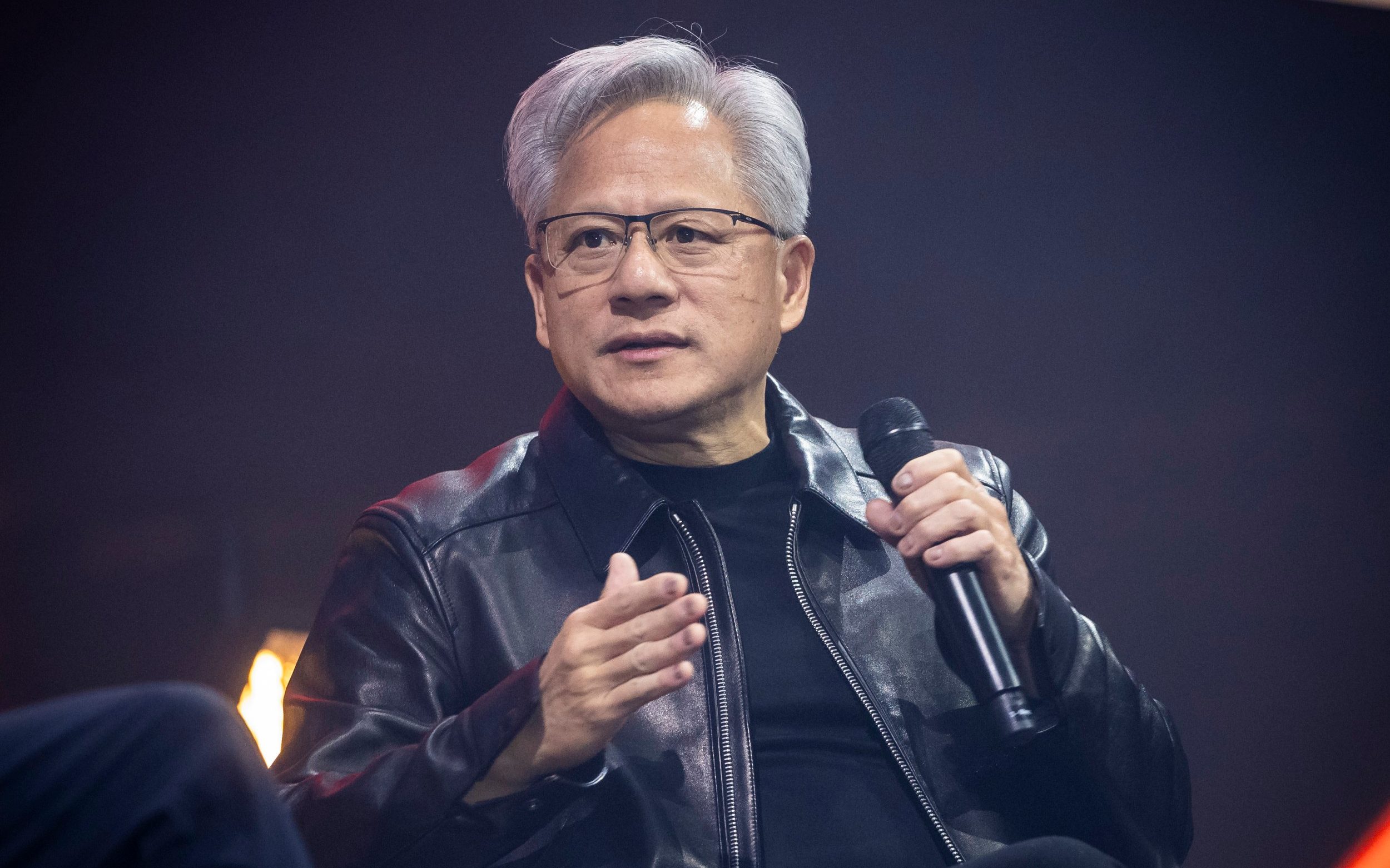
Jensen Huang, chief executive of Nvdia, which is one of Suno’s investors - Photothek/Thomas Koehler
Suno also appears to be tightening its grip on AI-generated content even as it bats away lawsuits.
The company announced last week a tie-up with Chinese AI video firm Minimax to create music videos. The partnership has fuelled fears that, having targeted the music industry, Suno is now setting its sights on Hollywood.
Minimax itself is being sued by Disney, Universal, and Warner Bros over concerns its technology is being used to generate copyrighted images of characters such as Darth Vader and the Minions.
Controversy extends beyond entertainment. The New York Times revealed last month that companies including Suno were being used to create AI-generated Russian propaganda glorifying its war in Ukraine.
Politicians are weighing in, raising concerns about the effect on the UK music industry, which contributed £8.4bn to the economy last year.
Tom Morrison, a Liberal Democrat MP, says: “These are bad actors, plain and simple.
“There should be no place in the UK for parasitic companies that build multi-billion market valuations through what could be described as theft and fraud.”
Mr Morrison is calling on competition regulators to launch an investigation into Suno.
“British music, and the wider creative industries, have made an incalculable contribution to our national life, and have driven huge economic growth in recent years,” he says. “If we want that to continue, we need to take action against the leeches that threaten it.”
A Suno spokesman said: “This is a one-sided view of AI in music and ignores the many ways Suno is already expanding creative and financial opportunities across the industry.
“We built Suno so more people can experience the joy of making music. Millions of artists and producers use it as part of their creative process, and music lovers use it to make new songs that are unique and personal.”
They added: “We are excited for a future where AI and the music industry continue to strengthen one another and build entirely new experiences for artists, fans, and the broader music community.”
Source: “AOL Money”
