


The tortured genius behind Britain’s most patriotic anthem
The tortured genius behind Britain’s most patriotic anthem

Nicholas KenyonMon, October 5, 2026 at 11:42 AM UTC
0
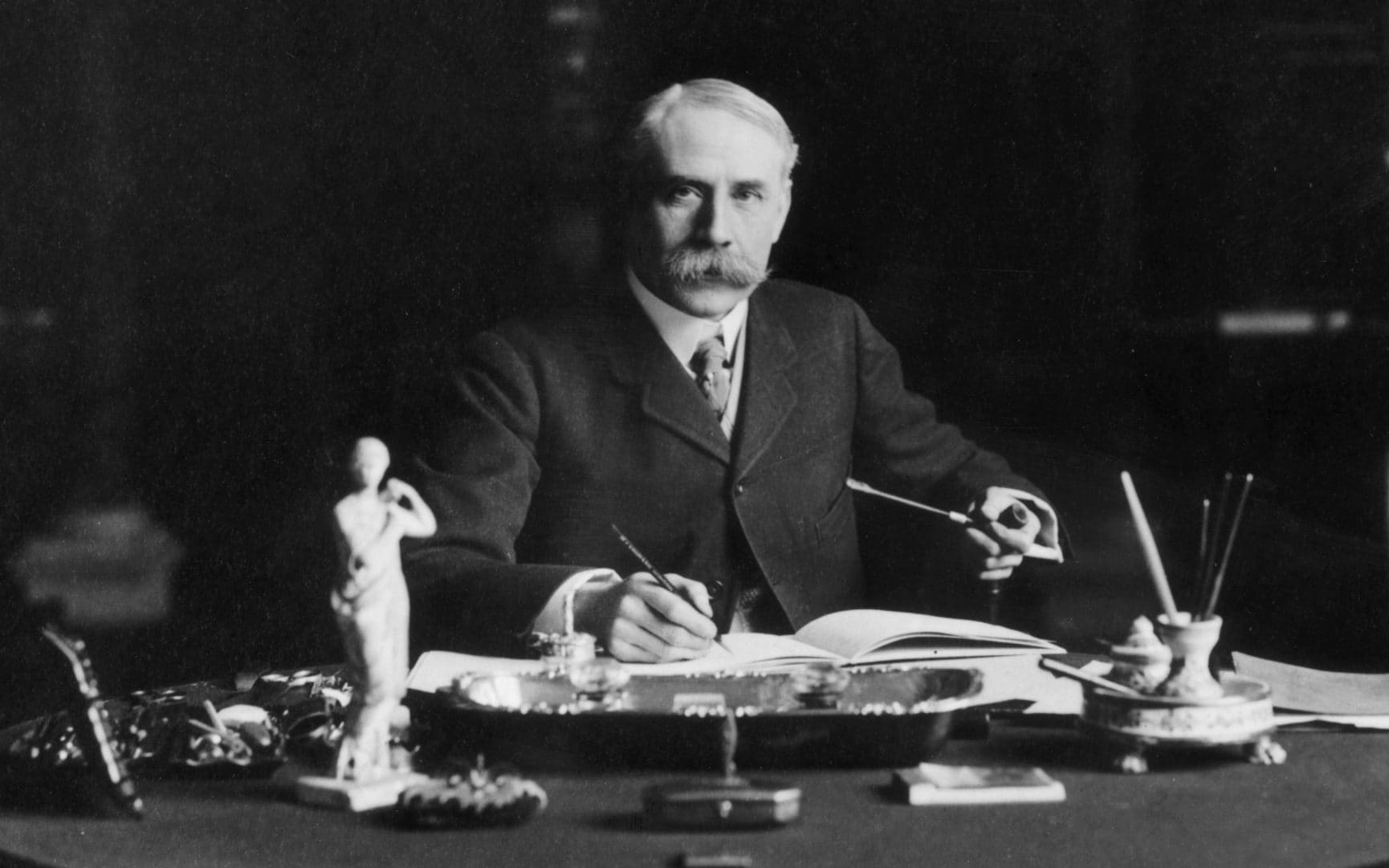
Edward Elgar’s career took him from provincial Worcester to the heart of Britain’s musical establishment, pictured c1921 - Getty/Hulton Archive
Land of Hope and Glory still resounds at the Last Night of the Proms and at countless patriotic occasions: it’s the anthem of a nation, and all attempts to dislodge it have failed. Sung by a million people in the Mall on Elizabeth II’s Golden Jubilee a generation ago, it seemed to have avoided becoming the property of the extreme Right, and to have flourished as one of the few national songs that still bring us all together. Meanwhile, this week’s remarkable donation of Elgar memorabilia, autographs and recordings by the American collector Arthur Reynolds to the Hallé in Manchester demonstrates that Edward Elgar is back in fashion.
Elgar grew to dislike heartily the words that were added to his Pomp and Circumstance March No 1, but he always loved the tune, and in old age he conducted it in the recording studio. When it came to the Proms in 1901, a few days after its premiere in Liverpool, it was encored twice in the same evening, which, according to conductor Henry Wood, was a unique accolade: “The audience rose and yelled.”
The characterisation of Elgar as a late-romantic upholder of Britain’s imperial ambitions is not without substance in the light of wartime works such as The Spirit of England, and as the years went on it forced him firmly out of fashion. The acerbic commentator Constant Lambert, a composer himself, railed in his Music Ho! that Elgar’s music “has for the present generation an almost intolerable air of smugness, self-assurance and autocratic benevolence”.
The music may show that, and Elgar certainly cultivated an extrovert, assertive mode, yet self-assurance was the last thing he personally showed during his lifetime. The son of a piano tuner and music shop owner in Worcester, Elgar complained about his lack of advancement and worried about his social status, especially in view of his being a Roman Catholic, still an object of some suspicion. And when he did achieve that status through his fortunate marriage to Alice Roberts, he worried instead about the poor reception of the music he yearned to create.
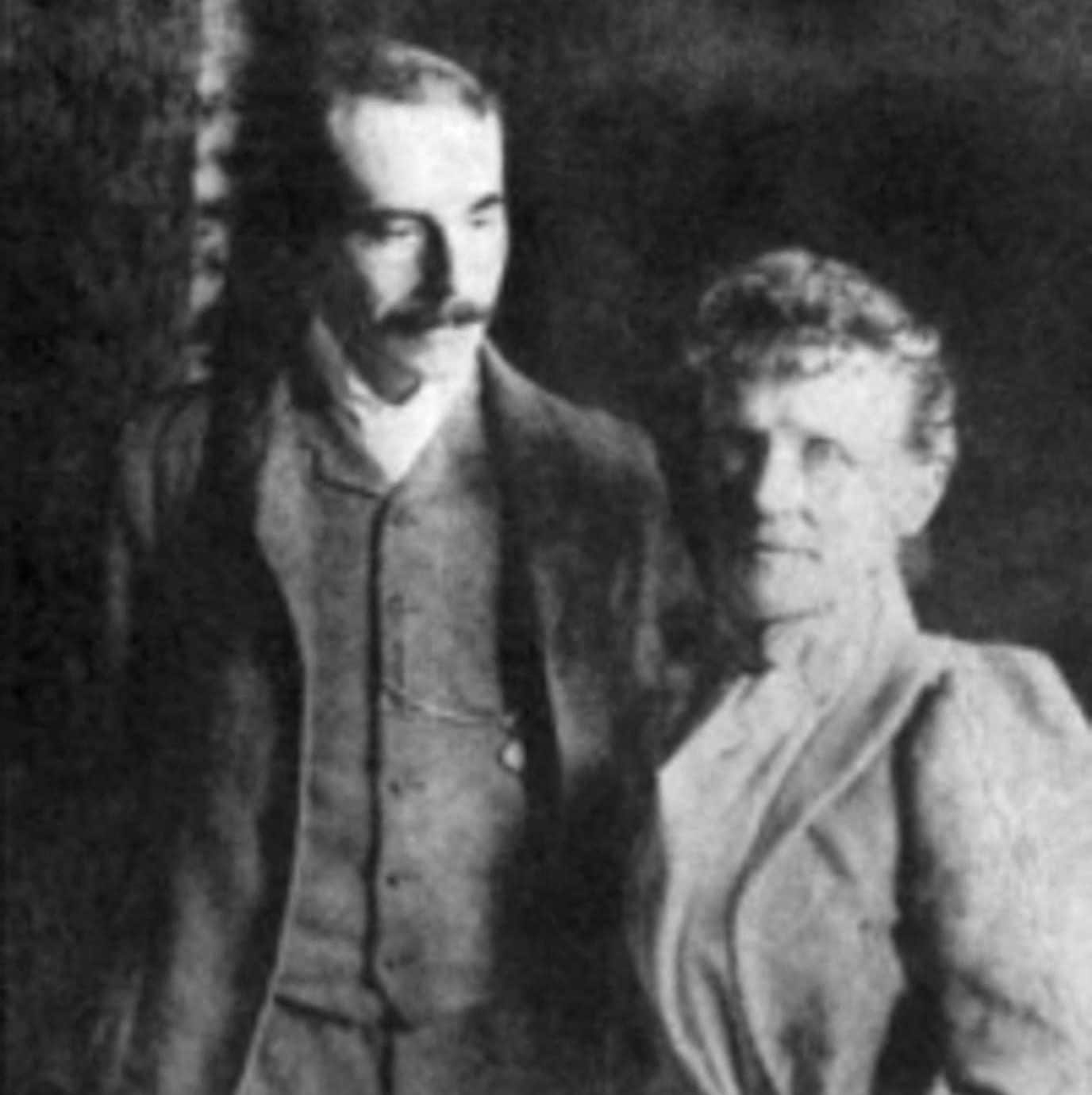
Elgar with his wife, Alice, c1891. Their marriage helped elevate his social standing - Alamy/The History Collection
His first major challenge to the English tradition was a true masterwork: the 1900 oratorio The Dream of Gerontius, based on Cardinal Newman’s poem. For a start, it was a Catholic text, and the composer Charles Stanford was heard to say that “it stank of incense”. The writing was hopelessly challenging for English choirs bred on Mendelssohn and Handel: the final rehearsal was a shambles and the premiere was a torture for the composer. The first tenor soloist was said by the young Ralph Vaughan Williams to have sung “in the correct oratorio manner, with one foot slightly withdrawn”. But when Gerontius travelled to the Continent with the supportive conductor Julius Buths, it made waves. The composer Richard Strauss heard it and hailed Elgar in a toast as “the first English progressivist”.
That was a significant compliment, because it recognised that Elgar had absorbed the music of Wagner (he had indeed heard all of the Ring in Europe), as well as Berlioz, Weber and others whom he encountered at Crystal Palace. Elgar was well placed to become a truly European composer in the mainstream of the new 20th century.
Advertisement
Yet it did not quite happen. Elgar seemed restrained rather than released by his command of an adventurous idiom. He remained content to write in traditional forms – the symphony, the concerto – rather late in the life of those genres. He wrote another great traditional melody as the march-like motto of his First Symphony; he composed soaring evocations inspired by the English countryside, but his balance between optimism and pessimism seemed to get ever darker as the years went on. The Second Symphony is often even bleaker, with an extraordinarily violent passage where Elgar told his players: “I want you to imagine that the hammering is like that horrible throbbing in the head during some fever. It seems to gradually blot out every atom of thought in your brain, and nearly drives you mad.”
You could put Elgar’s increasing pessimism down to the impact of the First World War, and then the death of his wife in 1920 – he composed little in the 1920s, and left an attempt at a Third Symphony unfinished when he died in 1934. But as the historian David Cannadine has pointed out, Elgar was using all this time to burnish his image as the English gentleman, repeatedly photographed with his dogs, garlanded with honours, and ensuring his legacy through his work with the new-fangled gramophone.
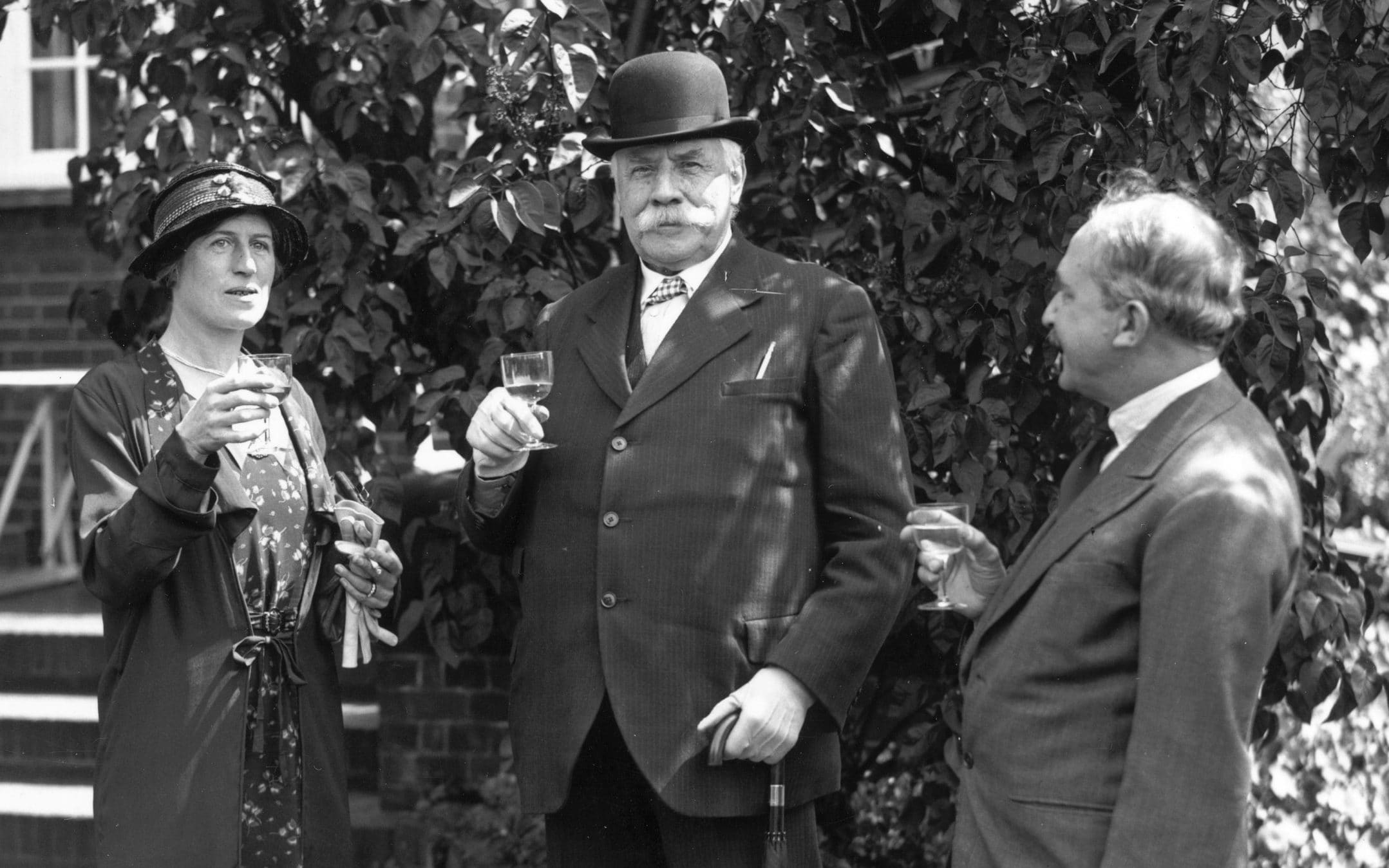
Elgar (centre) enjoying a drink with his daughter, Carice, and American music producer Fred Gaisberg in May 1933, less than a year before his death aged 76 - Getty/Fox Photos
However, there is a paradox in the judgment that Elgar had the ability to push forward into a 20th-century idiom but then did not do so. That seems to me to go to the heart of the English condition. Elgar loved concealment – the hidden enigma of the Enigma Variations, the dedication of the Violin Concerto, “Here is enshrined the soul of …”; he half-revealed himself, but then pulled back. He wrote as he worked on the Violin Concerto: “It’s awfully emotional. Too emotional but I love it…” He almost gave too much away, but then he didn’t: in so many ways, that’s very English.
He was not the first English composer to do wonderful things late in the life of a form: the English madrigalists did so, as did Purcell, writing music for viols. It was the scholar Donald Mitchell who suggested years ago that “had Elgar liberated himself from a host of protective emotional prohibitions and permitted his tensions to rise to the surface, he might have responded with some out-of-character music”. Whether he could have turned into a Mahler, or even less likely a Schoenberg, we will never know. We certainly have the testimony of one of his closest friends, the Malvern headmistress Rosa Burley, that Elgar was “the most repressed person it’s possible to imagine”. He could be charming and even flirtatious with young women, but equally emotionally closed: his family history, in which the brother whom he held closest died at seven, and his youngest sister became a nun, perhaps hints at some turmoil beneath.
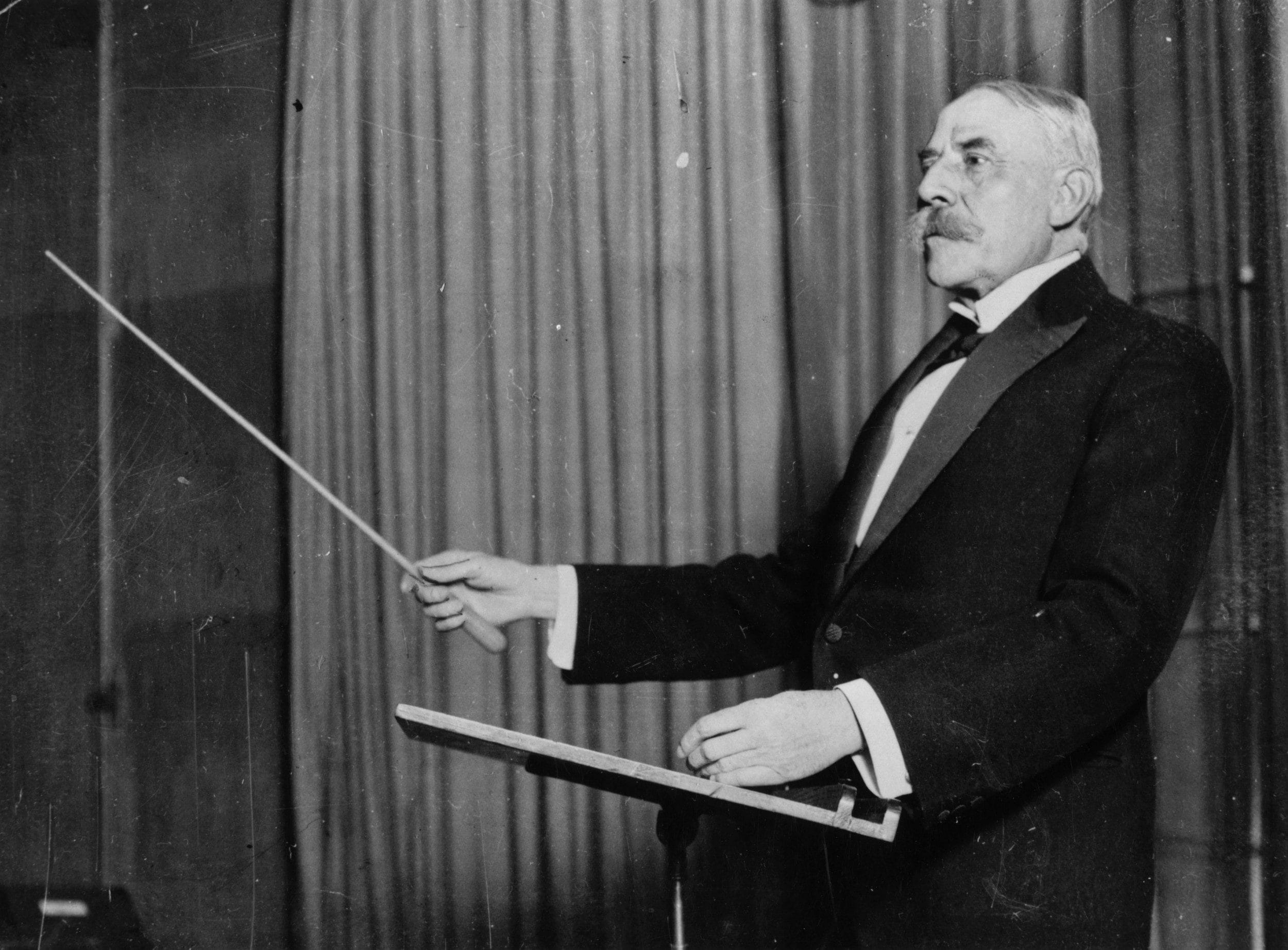
Elgar, pictured c1920, by which time he was firmly established as one of Britain’s leading composers - Getty/Hulton Archive
Surely this is exactly why Elgar’s music has the intense impact it does: it channels those half-hidden feelings into a uniquely restrained, held-back response. The elegiac Adagio of the First Symphony has final muted brass calls, which seem to prophesy a European conflict yet to come, a farewell to a vanishing world; the bitter Cello Concerto was written after the war, in a world that had indeed been catastrophically transformed. It tries to end in triumph but only succeeds in hurriedly shutting a curtain on the deep suffering that has been revealed.
These emotions did not need a new musical language to hit home. They communicate directly with us, and that is surely why the great tragic moments in Elgar’s music continue to resonate so strongly today, just as powerfully as his exuberant displays of pomp and circumstance.
Nicholas Kenyon is artistic adviser to the Tetbury Music Festival and spoke about Elgar at the 2026 festival. The 2027 festival runs from Sept 25 to Oct 3
Source: “AOL Entertainment”
